Balancing Heritage and Modern Living in English Homes
English homes often bring together layers of history: original joinery, fireplaces, uneven surfaces and room proportions shaped by an earlier way of life. The challenge is to make these features work for contemporary routines without making the interior feel like a period set or erasing what gives the house its character.
Begin with what is already there
Before planning changes, look closely at the building. Notice which details appear original, how natural light moves through the rooms, and where circulation feels awkward. A fireplace, stair rail, ceiling moulding or old floor may offer a useful starting point for the design.
Not every irregularity needs correcting. Slightly uneven walls and varied floorboards can be part of a home’s character, while practical problems such as draughts, poor lighting or insufficient storage can be addressed with care. If the property is listed or lies in a conservation area, check the relevant requirements before altering historic fabric; rules depend on the building and the proposed work.
Make old and new feel considered
A balanced interior does not need to imitate one period throughout. Instead, let historic details provide context and introduce contemporary furniture, lighting and artwork in a restrained way. Clean-lined pieces can sit comfortably beside traditional features when their scale and materials suit the room.
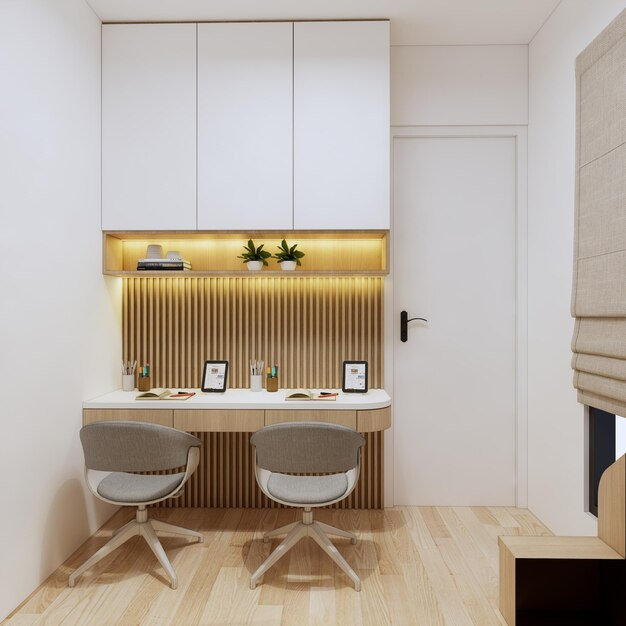
A deliberate contrast can be more convincing than a close imitation. For example, simple modern cabinetry may complement an older room without pretending to be original. Where new work meets historic fabric, thoughtful detailing—such as a clear junction between materials—helps the change feel intentional.
Adapt the layout to everyday life
Older houses may have smaller rooms, distinct reception spaces or routes that do not match modern habits. Consider how each room is used before removing walls or changing its purpose. A dining room might also serve as a workspace, while a spare room may need flexible storage and lighting.
Opening up a plan is not always the best solution. Keeping some separation can make a home easier to heat, quieter and more adaptable. Where a more open connection is needed, a wide doorway, glazed partition or carefully placed opening can improve flow while preserving a sense of the original layout. Structural and building-control advice may be needed before making significant changes.
Choose materials with care
Natural materials can help a contemporary scheme sit comfortably within an older home. Timber, stone, wool, linen and lime-based finishes may work well alongside existing details, but the right choice depends on the building and the conditions in each room. Consider how surfaces will age, how they will be maintained and whether they are suitable for the intended use.
Colour can connect different periods without making every room look alike. A restrained palette across adjoining spaces can create continuity, while deeper or brighter tones can define a particular room. Test colours in changing daylight before committing, especially in rooms with limited natural light.
Improve comfort without losing character
Modern comfort often depends on details that are easy to overlook: layered lighting, discreet storage, effective ventilation and appropriate heating. Combine ambient light with task and accent lighting so that rooms work in the evening as well as during the day. Where possible, position fittings to highlight architectural features rather than compete with them.
Energy improvements should be planned with the building in mind. Older walls, floors and windows may need a different approach from those in a newer home. Seek qualified advice before making changes to insulation, ventilation or historic windows, since an unsuitable solution can create moisture problems or damage original materials.
Let the home evolve
A successful interior does not have to be completed all at once. Prioritise essential repairs and the rooms used most often, then add furniture and finishing details over time. This makes it easier to understand what the house needs and to avoid filling rooms simply to make them look finished.
The aim is not to choose between heritage and modern living. It is to preserve the details that give an English home its identity while making the spaces comfortable, practical and personal today.