Choosing Natural Materials for a Timeless Interior
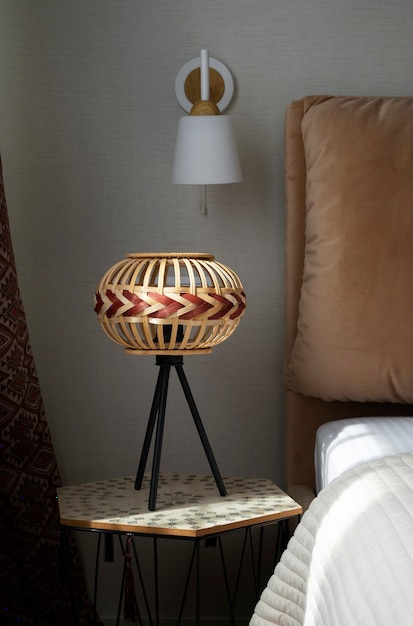
Natural materials bring depth to an interior through their grain, texture and variation. Rather than relying on a short-lived colour trend, a scheme built around stone, timber, wool and linen can feel settled and personal. The key is to choose materials for both their appearance and the way they will work in the home.
Start with the character of the property
Notice the features already present: floorboards, brickwork, stone details, joinery or original plaster. These can guide the material palette without requiring every surface to match. In an older English home, for example, existing woodwork or masonry may provide a useful starting point; in a newer property, natural finishes can add warmth and texture.
Consider the quality of light as well. A pale stone or timber may look quite different in a north-facing room than in a bright, sunlit one. If possible, view samples in the room where they will be used and check them at different times of day.
Choose materials for how they will be used
Each natural material has its own practical qualities:
- Wood offers warmth and visible grain. Different species, cuts and finishes vary in colour and durability, so choose a finish suited to the amount of use a surface will receive.
- Stone gives floors, worktops and fireplaces a strong sense of permanence. It can vary in tone and pattern, and some types may need sealing or particular care. Check the supplier’s guidance before choosing it for a heavily used area.
- Wool works well in rugs and upholstery, adding softness and texture. Consider the care instructions and how the fabric will cope with the room’s level of use.
- Linen and cotton bring a relaxed quality to curtains, cushions and bedding. Their natural creasing and changing texture can be part of their appeal.
- Clay, lime and other mineral finishes can create subtle surface variation. Their suitability depends on the wall, the room and the preparation required, so ask an installer or supplier about the specific product.
A material’s natural origin does not automatically make it suitable for every setting. In bathrooms, kitchens and entrance areas, check how a finish responds to moisture, staining and regular cleaning.
Build a balanced palette
A room can feel harmonious without using the same material everywhere. Pair a textured surface with a quieter one: veined stone with simple cabinetry, pronounced wood grain with plain walls, or a woven rug with smooth flooring. This contrast lets each material be noticed without making the scheme feel busy.
Limit the main palette to a few complementary tones, then introduce variation through texture and finish. A combination of warm timber, muted stone and soft natural textiles, for instance, can feel cohesive while still allowing each surface to retain its character.
Look closely at samples and finishes
Natural materials are rarely uniform. Timber boards may differ in grain, stone may contain tonal shifts, and textiles can vary slightly between batches. These differences are part of their character, but it is worth understanding the likely range before making a large purchase.
Ask to see a representative sample and, where possible, a larger piece or installed example. Compare finishes as well as colours: a polished surface reflects light differently from a honed or brushed one, while a stained wood finish can alter the appearance of the grain.
Consider sourcing and maintenance
Ask where a material comes from, how it is processed and whether it is appropriate for the intended use. If environmental impact matters to you, look for clear information about sourcing, recycled content, responsible forestry or local availability rather than assuming that “natural” means low impact.
Maintenance should also be part of the decision. Find out whether a surface needs sealing, what products can be used for cleaning and how it may change with age. A finish that develops marks or patina may suit a relaxed home; someone who prefers a more consistent appearance may prefer a different material or finish.
Make choices that can adapt
A timeless interior is not necessarily neutral or unchanging. It is one in which the larger, more permanent choices work with different furnishings and personal objects over time. Natural materials can provide that foundation because their colours and textures often sit comfortably alongside a range of styles.
Prioritise the surfaces that have the greatest effect on the room, such as flooring, cabinetry or a fireplace. Use smaller items to experiment with pattern and colour. This creates a scheme with substance while leaving room for the home to evolve.