Making the Most of Light in Small English Rooms
Small rooms can feel brighter and more spacious when daylight and artificial light are planned together. In English homes, where room sizes, window positions and building styles vary widely, the best approach is to work with the light a room actually receives rather than rely on a single design formula.
Start with the daylight
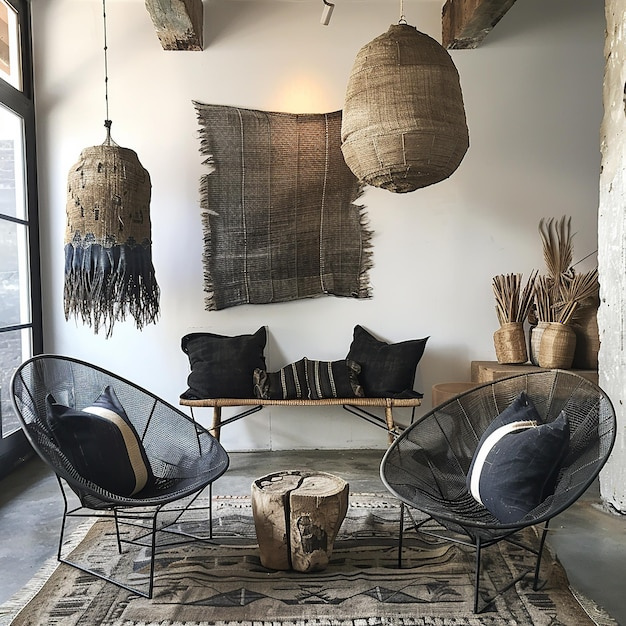
Notice how natural light moves through the room during the day. A room with a north-facing window may receive steadier, cooler light, while direct sun can create stronger contrasts elsewhere. Use this observation to guide colour choices, furniture placement and lighting.
Keep window areas as clear as practical. Avoid placing bulky furniture directly in front of a window, and consider whether plants or decorative objects are blocking useful light. If privacy is needed, lightweight curtains or adjustable blinds can soften views without making the window feel heavy. The right choice depends on the room’s orientation, the view and how much privacy it requires.
Choose colours for the room, not just the sample
Pale colours can help a small space feel open, but they are not automatically the best choice. A cool white may look stark in one room and balanced in another; a warm neutral can feel inviting but become too yellow under some bulbs. Test paint samples on more than one wall and look at them in daylight and after dark.
Using related tones across walls, woodwork and larger pieces of furniture can reduce visual interruptions. Contrast still has a place: a darker detail or a considered accent colour can add depth. The aim is to create a coherent palette that suits the available light, not to make every surface white.
Use reflective surfaces thoughtfully
Mirrors can help distribute light and create a greater sense of depth when positioned to reflect a window or another bright area. Before hanging one, check what it will reflect: a mirror facing a cluttered corner may draw attention to it rather than make the room feel calmer.
Glossy finishes, glass and polished metal can also catch light, but too many reflective surfaces may feel busy. Balance them with softer materials such as textiles, timber or matte finishes. A mix of textures often feels more comfortable than relying on shine alone.
Keep the layout open
In a compact room, furniture that blocks light can make the space feel enclosed. Choose pieces in proportion to the room, and leave clear routes between the entrance, window and main seating or working area. Furniture with raised legs can allow more of the floor to remain visible, helping the layout feel lighter.
Storage matters, too. Open shelves can be useful, but densely filled shelves create visual weight. Where possible, use closed storage for everyday items and keep display areas selective. This helps light move through the room without making the interior feel bare.
Plan lighting in layers
A single ceiling fitting may leave corners dim and create harsh shadows. Combine general lighting with task lighting for activities such as reading or cooking, then add a smaller lamp where a softer atmosphere is useful. Wall lights can free up surface space, while adjustable fittings help direct light where it is needed.
Think about the colour and strength of each bulb as part of the room’s palette. Consistent light sources usually make a space feel more settled; a mix of noticeably different tones can be distracting. Dimmers can offer flexibility where the fitting and electrical setup allow them.
Make the details work together
Light is most effective when it supports the way a room is used. A well-positioned lamp, clear window, restrained palette and practical layout can make a small room feel more welcoming without major changes. Treat each choice as part of the same composition: preserve the daylight, add artificial light where it is missing, and avoid filling every surface.
At Stone and Story, the guiding principle is to make the most of a room’s existing character. Rather than trying to make a small English room look like a different space, use light to bring out its proportions, materials and everyday purpose.